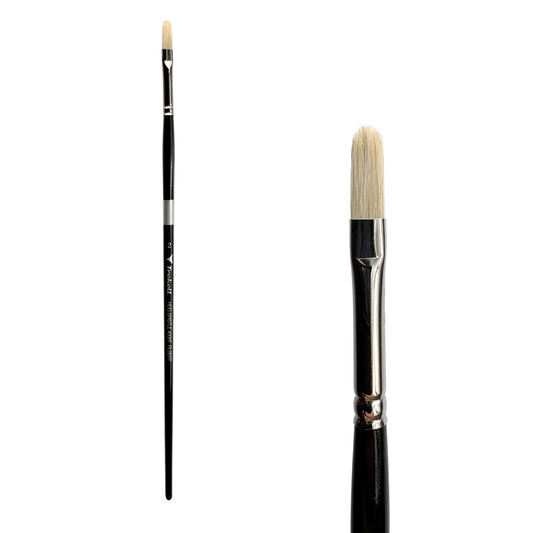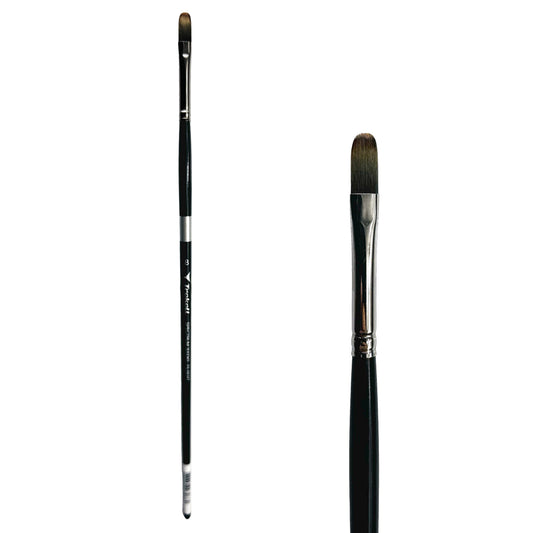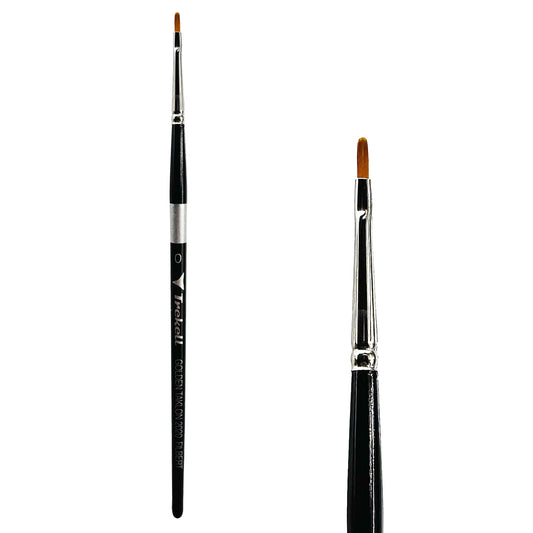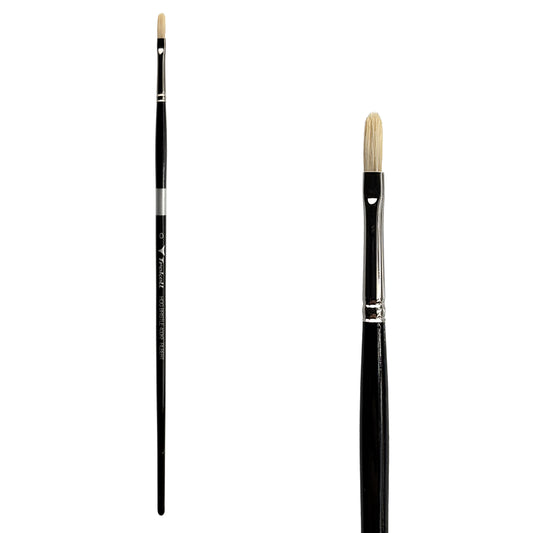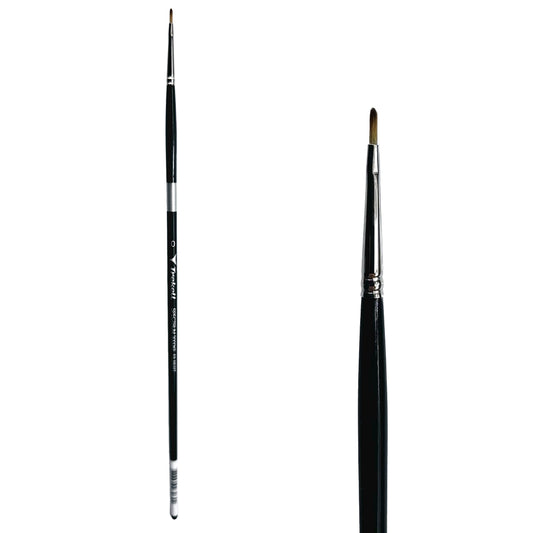

When it comes to brushes that can do it all, the filbert quietly earns its place as a studio staple. With a shape that balances precision and softness, it’s the go-to for many artists who want smooth edges, graceful curves, and ultimate control. But what exactly makes this brush so special? Let’s dive into the story, structure, and strengths of the filbert brush.
What Is a Filbert Brush?
The filbert brush features a flat ferrule and bristles that taper into a rounded, oval shape at the tip. It’s essentially a hybrid between a flat and a round brush, offering the best of both worlds: broad strokes with a soft edge and the ability to work in tight spaces without harsh lines.

Its unique shape allows for both fluid blending and detailed work, depending on how it’s held. Use it flat for broader coverage or turn it on its edge for finer lines and more control.
Why Is It Called a "Filbert"?
The filbert brush gets its name from the filbert nut—more commonly known as the hazelnut. The rounded tip of the brush resembles the shape of the nut, and the name has roots in European tradition. Some sources trace it to Saint Philibert, whose feast day coincided with the ripening of hazelnuts, giving rise to the term "filbert nut." Over time, the name stuck, and artists have been calling this rounded brush a filbert ever since.
What Makes the Filbert So Useful?
- Blending Power: Its soft, rounded edge creates seamless transitions between colors, especially useful in portrait work and backgrounds.
- Organic Shapes: Ideal for painting petals, leaves, and natural forms, the filbert mimics the curves found in nature.
- Dynamic Strokes: With a simple twist of the wrist, you can shift from thin lines to broader strokes, making it a favorite for expressive techniques.
- Edge Control: Unlike square-edged brushes, the filbert leaves no harsh lines, making it easier to soften edges without losing definition.

Big vs. Small: Why Size Matters
- Small Filberts (Sizes 0–4): Best for detail work and great for facial features, fine lines, and tight spaces.
- Medium Filberts (Sizes 6–10): A solid middle ground. Ideal for most general-purpose painting needs.
- Large Filberts (Sizes 12 and up): Perfect for covering large areas, blending backgrounds, and creating bold, sweeping strokes.
Many artists keep a few different sizes on hand, allowing them to transition fluidly from broad strokes to detail work without switching brush types.

Choosing the Right Filbert for Your Medium
- Oil and Acrylic Artists: The filbert shines in both mediums thanks to its ability to blend without streaks. Synthetic and natural options both perform well, and Trekell offers both to match your preferences.
- Watercolorists: While not as common in watercolor, filberts can offer soft, petal-like shapes that are perfect for florals or textured washes.
Trekell Filberts by Brush Line
- Golden Taklon: A vegan-friendly synthetic line that offers smooth, consistent strokes. Great for oil, acrylic, and watercolor. The filbert shape in this line is a versatile option for beginners and professionals alike.
- Hog Bristle: Made from natural bristles, this line is perfect for oil painters looking for stiffness and texture. The filbert in this line excels at bold, textured strokes and heavy paint application.
- Legion: This synthetic line is designed to mimic the feel of natural mongoose hair, offering durability, precision, and responsiveness. Excellent for acrylic and oil painters who like a firm yet flexible brush with great control.
- Opal: A synthetic line that replicates the characteristics of hog bristle. It offers a balance of stiffness and blendability, ideal for artists who want the traditional feel of hog hair with the benefits of synthetic. The filbert here is great for bold yet controlled brushwork.
- Crimson Taklon: A synthetic brush line that is slightly stiffer than Golden Taklon but just as smooth. Great for artists who want a bit more firmness while maintaining soft blending in acrylic and watercolor.
- Spectrum: Trekell’s smoothest synthetic brush line. Known for its ability to lay down paint without leaving visible brushstrokes, it’s perfect for artists who prioritize flawless finishes. The filbert in the Spectrum line is especially suited for soft blending and refined surfaces.
- MIDZ: Youthful and fun, MIDZ brushes are made with quality synthetic bristles and are ideal for emerging artists or those wanting a pop of color in their toolkit. The filbert shape here is approachable and easy to use.
- Onyx: A sleek, professional synthetic line designed to mimic natural squirrel hair. It’s soft with excellent fluid retention, perfect for delicate blending and smooth transitions. The filbert in this line gives great control over both detail and soft washes.
- Sienna: A refined synthetic line created to mimic red sable. It offers beautiful color-carrying capacity and a smooth stroke, making it ideal for both fine detail and soft transitions. The filbert in this line is perfect for artists who want sable-like performance in a vegan-friendly brush.

Pro Tip from the Studio
“I love using filberts to block in paintings. They make soft yet organic marks and have the width I need without the hard angles of a flat brush. They're perfect for laying in large areas of flesh tones or building up natural backgrounds in landscapes.” – Natalia Fabia

Why Every Artist Needs a Filbert
Whether you’re a seasoned painter or just getting started, the filbert deserves a spot in your brush roll. It adapts to your style, medium, and technique, bringing both control and softness in a single stroke.
Trekell’s line of handcrafted filberts comes in a variety of sizes and bristle types, made for artists who know the power of the right tool.
Ready to see what the filbert can do? Discover your next favorite brush in the Trekell collection.