
Una de las cualidades más emocionantes de la acuarela es su capacidad para crear texturas que resultan espontáneas y llenas de vida. En lugar de pintar cada rama, flor u hoja de hierba individualmente, la acuarela permite que el medio mismo se convierta en parte del proceso creativo.
En este tutorial, Lauri Haario, artista del equipo profesional de Trekell, demuestra cómo pintar un expresivo cerezo utilizando solo tres pinceles de la serie Protégé de Trekell. En el camino, verá cómo la pintura húmedo sobre húmedo, las salpicaduras de pintura, la textura de sal, el levantamiento y el rascado de luces trabajan juntos para crear un árbol animado y atmosférico. Aunque estas técnicas se unen en un solo cerezo, también se pueden aplicar a innumerables otros paisajes de acuarela.
Pinceles utilizados
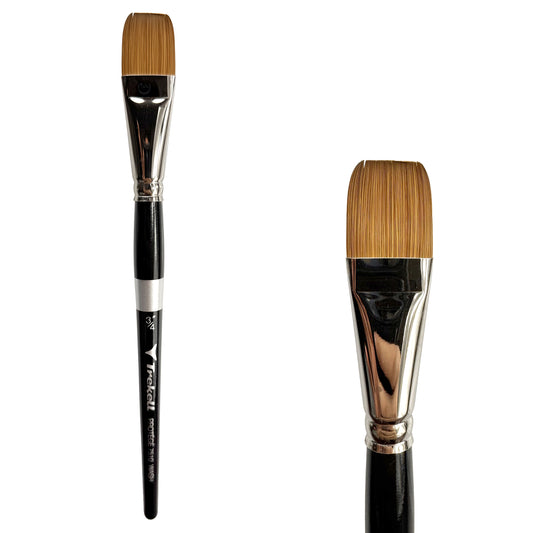
- Pincel plano Trekell Protégé de 3/4"
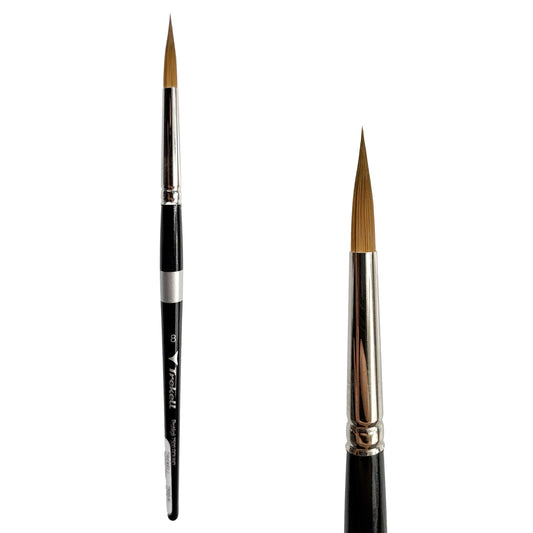
- Pincel redondo Trekell Protégé tamaño 8
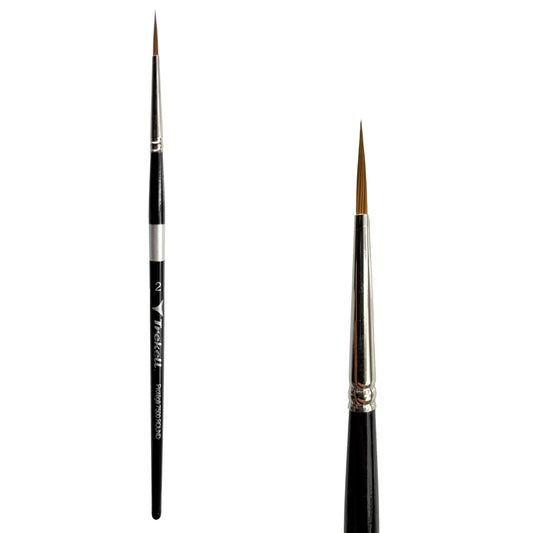
- Pincel redondo Trekell Protégé tamaño 2
La serie Trekell Protégé ofrece un excelente control, retención de agua y versatilidad, lo que convierte a estos pinceles en una excelente opción para todo, desde amplios lavados de fondo hasta delicados detalles de acabado.
Paso 1: Crea el fondo con un plano de 3/4"
Lauri comienza utilizando un pincel plano Trekell Protégé de 3/4" para pintar el lavado de fondo. Con trazos amplios, aplica color detrás del árbol, dejando intencionalmente algunas áreas del papel en blanco.
Estos puntos blancos intactos añaden brillo y variación, ayudando a que la pintura final se sienta aireada en lugar de excesivamente densa. El pincel plano facilita cubrir la página rápidamente y mantener el fondo suelto y suave.

Paso 2: Pinta el follaje húmedo sobre húmedo con un redondo tamaño 8
Mientras el fondo aún está húmedo, Lauri cambia a un pincel redondo Trekell Protégé de tamaño 8 para crear el follaje del cerezo. Trabajar húmedo sobre húmedo permite que los nuevos trazos se mezclen suavemente con el fondo, dando a la copa un toque natural y orgánico.
Al dar toques y hacer rodar el pincel redondo en el lavado húmedo, sugiere grupos de flores y hojas sin pintar cada detalle. El pincel redondo puede crear tanto marcas más grandes y redondeadas como toques más pequeños, dependiendo de la presión que se aplique.

Paso 3: Añade textura con salpicaduras y sal
Para dar más energía y textura al follaje, Lauri añade salpicaduras de pintura. Ligeros golpecitos contra el pincel o el mango crean pequeños puntos de color que rompen las formas más grandes y añaden una sensación de movimiento al árbol.
Luego, espolvorea sal de mesa sobre la pintura húmeda. A medida que la acuarela se seca, la sal altera el pigmento y el agua, dejando patrones irregulares que se sienten orgánicos y texturizados. Una vez que todo está completamente seco, la sal se limpia suavemente, revelando marcas sutiles y cristalinas dentro del dosel.

Paso 4: Pinta el tronco y las ramas con un redondo tamaño 2
Después de retirar la sal y de que la capa de follaje esté seca, Lauri se centra en la estructura del árbol. Con un pincel redondo Trekell Protégé de tamaño 2, pinta el tronco con trazos controlados y cónicos.
El pincel redondo más pequeño ofrece precisión para líneas estrechas y ramas finas. Lauri añade ramas más delgadas entre los grupos de follaje, conectándolas de nuevo con el tronco y haciendo que el árbol se sienta anclado y creíble, incluso con un estilo suelto y expresivo.

Paso 5: Define el suelo y las sombras con el redondo de tamaño 8
Lauri vuelve entonces al pincel redondo Trekell Protégé de tamaño 8 para pintar el suelo bajo el árbol. Con trazos más amplios, aplica el color base y las sombras suaves que dan peso al árbol y lo sitúan firmemente en la página.
El uso del mismo pincel redondo para el follaje y el suelo mantiene la coherencia visual de las marcas. Las sombras en la base del tronco y bajo partes de la copa sugieren la dirección de la luz y añaden profundidad a la escena.

Paso 6: Raspa el césped y los reflejos
Para terminar la pintura, Lauri utiliza herramientas sencillas para añadir detalles y contrastes. Con el extremo afilado del mango del pincel, raspa la pintura para crear líneas que se asemejan a briznas de hierba bajo el árbol.
Finalmente, utiliza un cúter X-Acto para raspar cuidadosamente pequeñas áreas de pintura, revelando el papel más claro debajo y creando reflejos nítidos en el tronco o dentro del follaje. Estos reflejos raspados añaden brillo y textura sin necesidad de pigmento adicional.

Reflexiones finales
El enfoque de Lauri Haario demuestra que las pinturas expresivas en acuarela a menudo se construyen a través de una combinación de técnicas simples en lugar de detalles intrincados. Los lavados húmedo sobre húmedo, las salpicaduras, las texturas de sal y el rascado permiten que el agua y el pigmento creen efectos que se sienten vivos y espontáneos.
Ya sea que esté pintando cerezos en flor, bosques u otros paisajes, estas técnicas pueden ayudarlo a crear pinturas de acuarela llenas de profundidad, movimiento y atmósfera. Combinados con la versatilidad de los pinceles de la serie Trekell Protégé, tendrá todo lo que necesita para experimentar con confianza y desarrollar su propio estilo de acuarela.