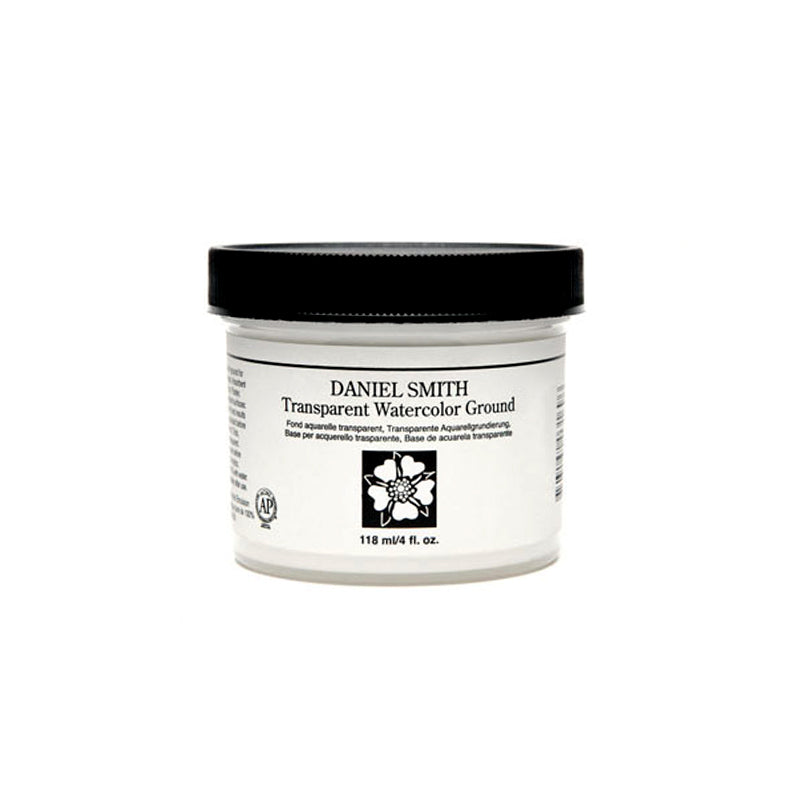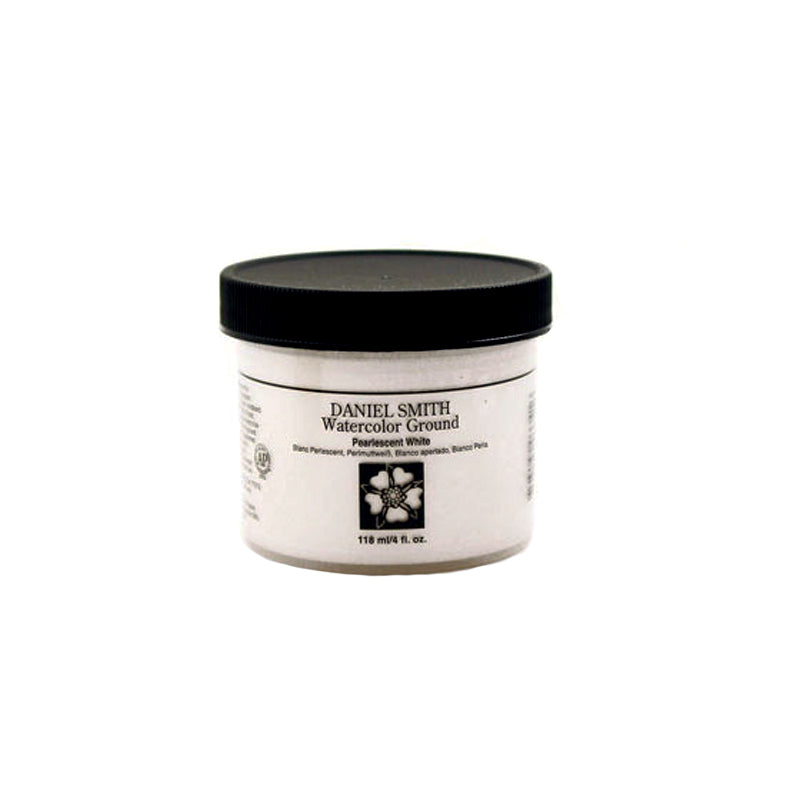


Daniel Smith Watercolor Ground
Daniel Smith Watercolor Ground
Couldn't load pickup availability
Daniel Smith Watercolor Ground
Daniel Smith Watercolor Ground transforms surfaces that normally would not accept watercolor into absorbent, watercolor-friendly painting surfaces. Use it on wood, metal, ceramic, plastic, glass, stone, plaster, and more to take watercolor beyond traditional paper.
Once dry, Watercolor Ground creates a soft, absorbent surface with a slightly cottony texture similar to cold press watercolor paper. This allows watercolor to flow, layer, lift, and interact with the surface while giving artists the freedom to work on rigid panels, dimensional objects, and other unconventional supports.
Why Artists Use Daniel Smith Watercolor Ground
- Creates a watercolor-friendly surface on a wide variety of materials
- Works on wood, metal, ceramic, plastic, glass, stone, plaster, and more
- Soft, absorbent surface similar to cold press watercolor paper
- Allows watercolor artists to work beyond traditional paper
- Can be used to add texture or cover imperfections on a surface
- Suitable for flat and dimensional surfaces
- Archival-quality formulation
- Available in six colors and finishes
Available Colors
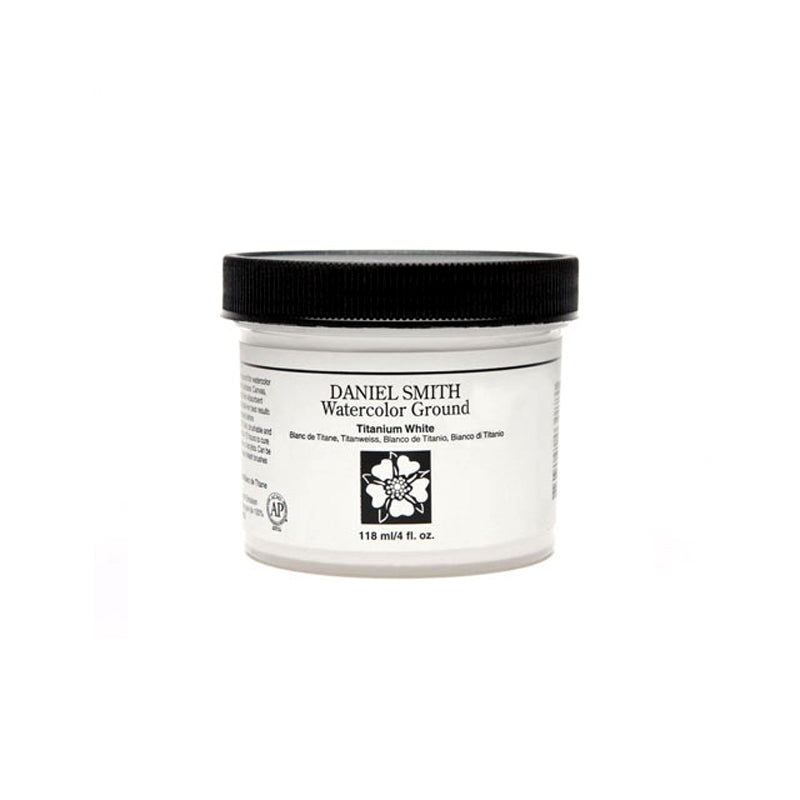
- Titanium White
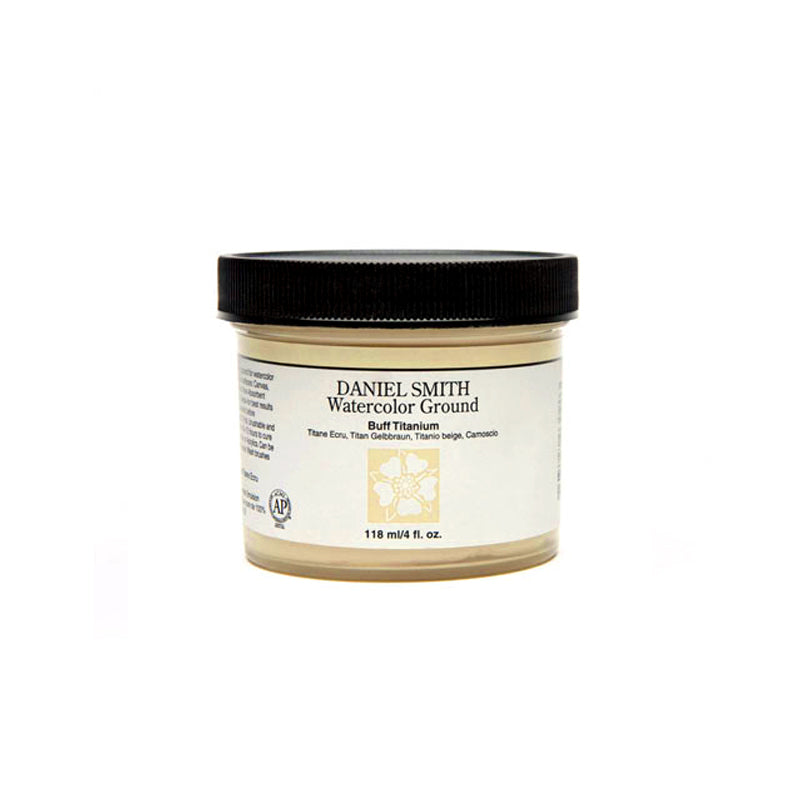
- Buff Titanium
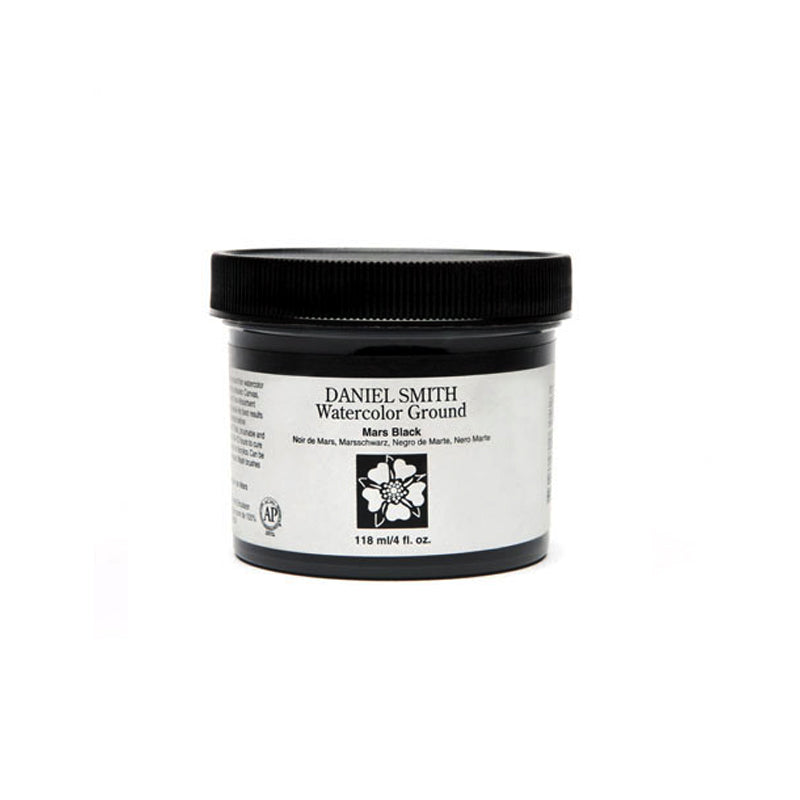
- Mars Black
- Transparent
- Pearlescent White
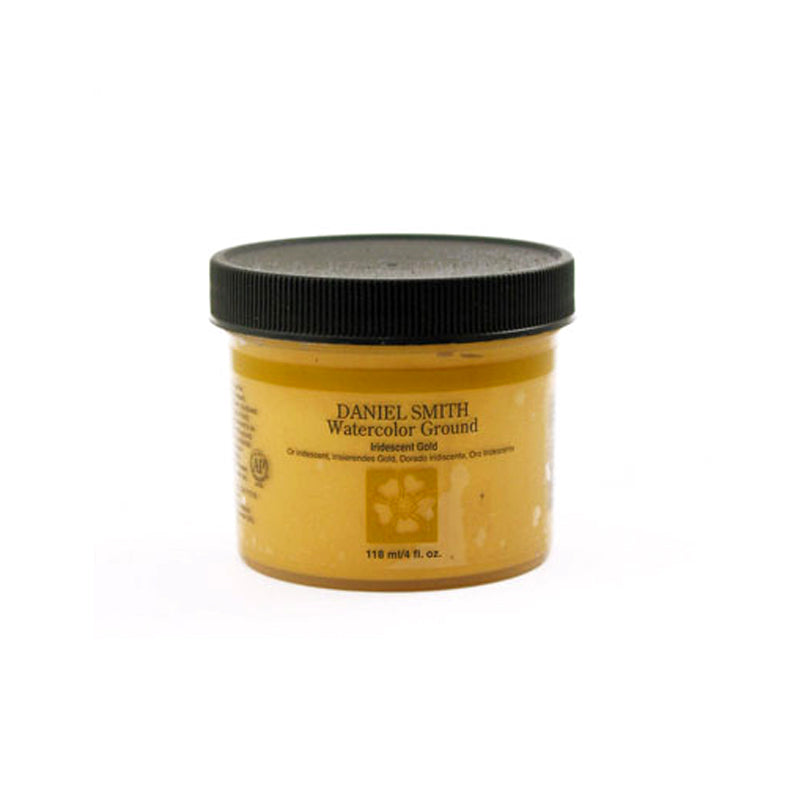
- Iridescent Gold
Expand Where You Can Paint
Watercolor Ground makes it possible to bring the transparent qualities and techniques of watercolor to surfaces that would otherwise be difficult to paint with watercolor. Use Transparent when you want the underlying surface to remain visible, choose Titanium White or Buff Titanium for a more traditional base, work over Mars Black for dramatic contrast, or experiment with Pearlescent White and Iridescent Gold for reflective effects beneath transparent washes.
Application
Apply Daniel Smith Watercolor Ground to a clean, properly prepared surface and allow it to dry thoroughly before painting. Daniel Smith recommends allowing the ground to cure for at least 24 hours before applying watercolor. Multiple thin layers can be used for more even coverage, and the surface can be gently sanded between layers when a smoother finish is desired.
Because different substrates can affect adhesion and application, artists should follow Daniel Smith's preparation recommendations for the specific surface being used.